


Genative AI in Financial Services


I’m Changing the Way You Work with Creatives
By bridging the gap between legacy infrastructure and emerging technology, these examples demonstrate how strategic UX can navigate systemic complexity to drive measurable business outcomes.

Challenge
Traditional financial services are buried in legacy complexity. Users are forced to navigate fragmented dashboards, decipher technical jargon (like "Large Cap Blend" vs. "Energy ETFs"), and manage high-stakes "Moments of Crisis" (fraud, migration, market volatility) with little real-time guidance. Users feel overwhelmed by data but starved for actual insight. And the business goals are harder to achieve under such circumstances.

Solution
Predictive instead of reactive:
Replacing complex navigation with a "Financial Copilot" that understands user intent. (e.g., "Show me how the latest volatility in Energy ETFs affects my portfolio diversity") via AI Contextual Intelligence.
Workflow Automation: Automating the friction of user journeys, which allows users to remain focused on their long-term wealth strategy rather than administrative hurdles.

Impact
Integrating Generative AI moves beyond aesthetics to deliver measurable business outcomes and operational excellence. This strategic approach drastically reduced the time-to-completion for complex tasks like portfolio rebalancing or system migrations from weeks to days.
For example, automating roughly 60% of routine inquiries through self-service AI led to increased platform stickiness and significantly higher lifetime value in millions of dollars.


AI-Driven Insight & Data Visualization: Exposing the Problem
To align stakeholders and clearly define the problem space, I designed and presented a series of data visualizations insights and dashboards. Crucially, the team leveraged a new Predictive AI/ML Model designed to identify at-risk investments.
This data-driven insight shifted the strategic focus from "reactive" to "predictive." The challenge became:How do we design a compelling, high-value product intervention that signals the risk?

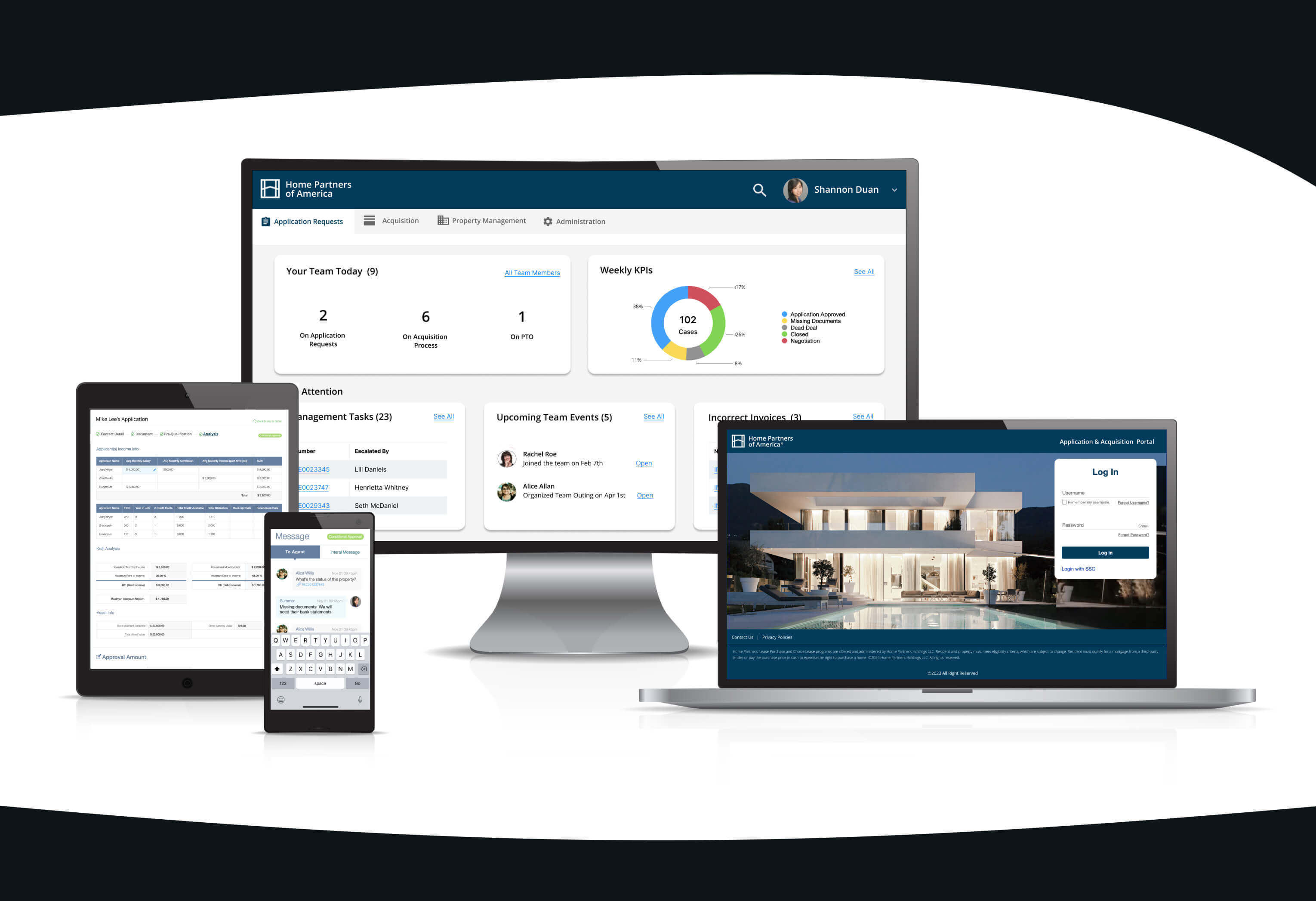
My Numbers


Design Framework
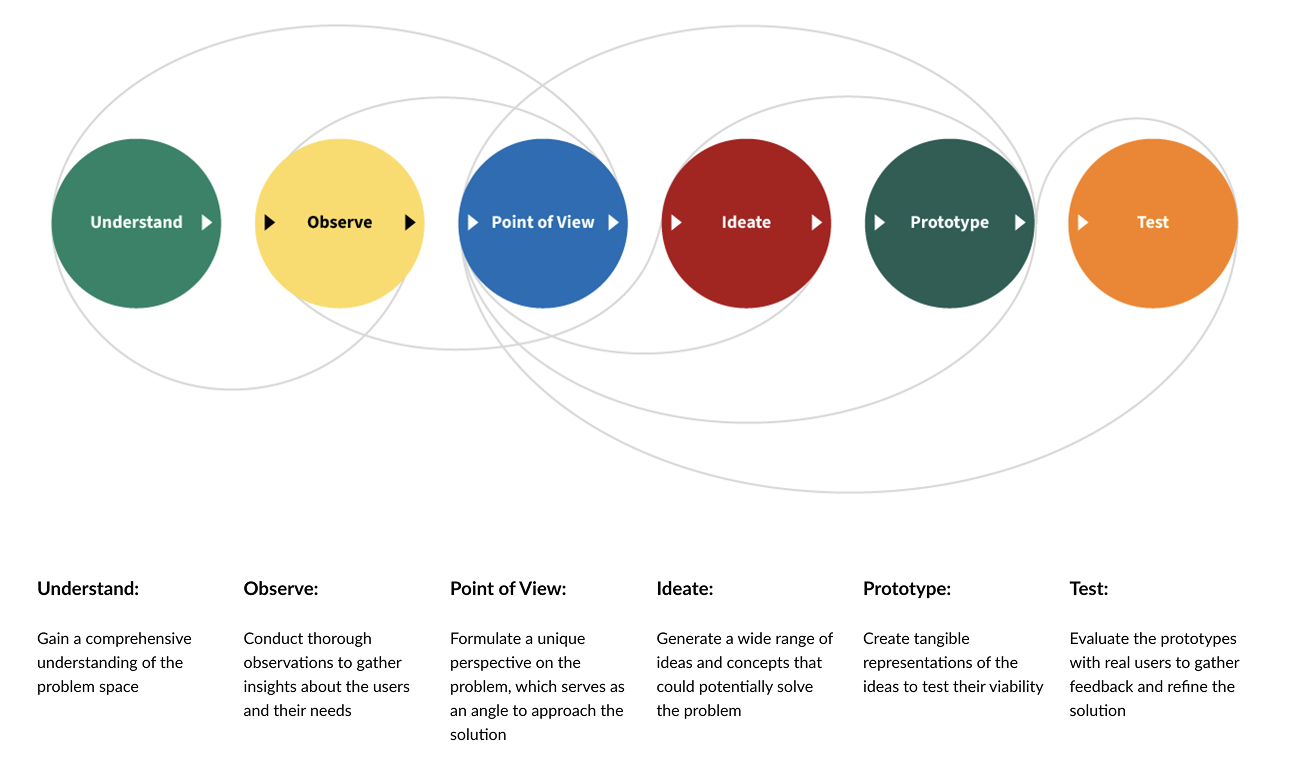
For end-to-end experience design, an effective approach is to follow a clear framework: Understand → Observe → Define the Point of View → Ideate → Prototype → Test. Whether AI tools are involved or not, the fundamentals remain the same. The goal of design is to solve the right problem for the user, not get lost in the noise of the tools, trends, or process.
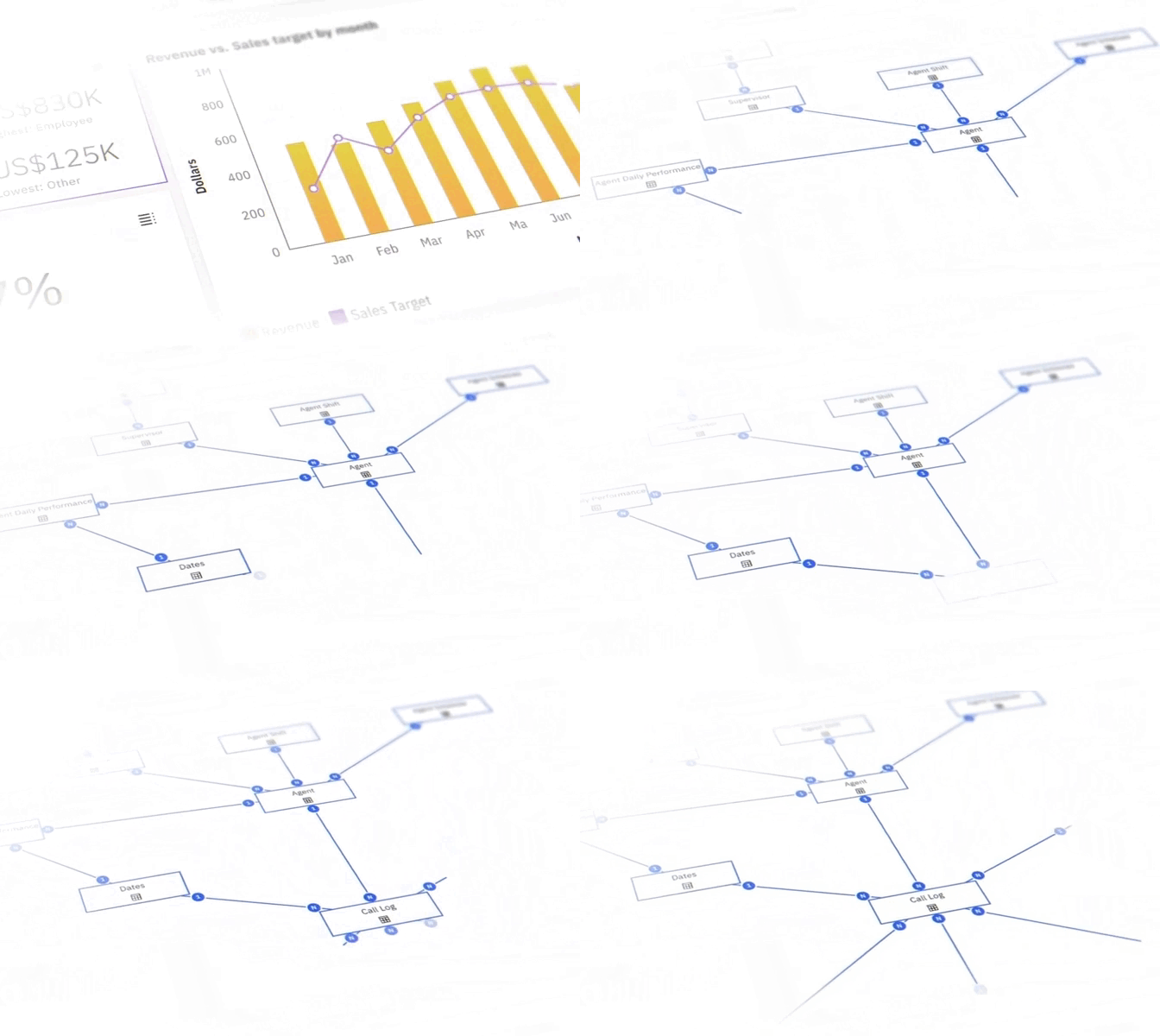
Dynamic Charts and Data Flow

Example Interaction Design: Portfolio Allocation
• Click segments to drill down details
• Smooth scale animation on selection
• Dimming effect for inactive segments
• Center displays total portfolio value
The Detailed Case Study Available Upon Request
Password might be required for detailed info.